Professional Fence Installation Services for Both Residential & Commercial Properties
Custom fence installation solutions play a critical role in transforming both residential and commercial properties. They offer security, privacy, and aesthetic appeal while marking property lines clearly. With numerous material options available, property owners can select options tailored to their needs. Expert installation ensures adherence to local regulations. Still, the value reaches well beyond the installation itself—understanding how to choose the right design and material can greatly impact the property's value. What factors should one consider when making these choices?
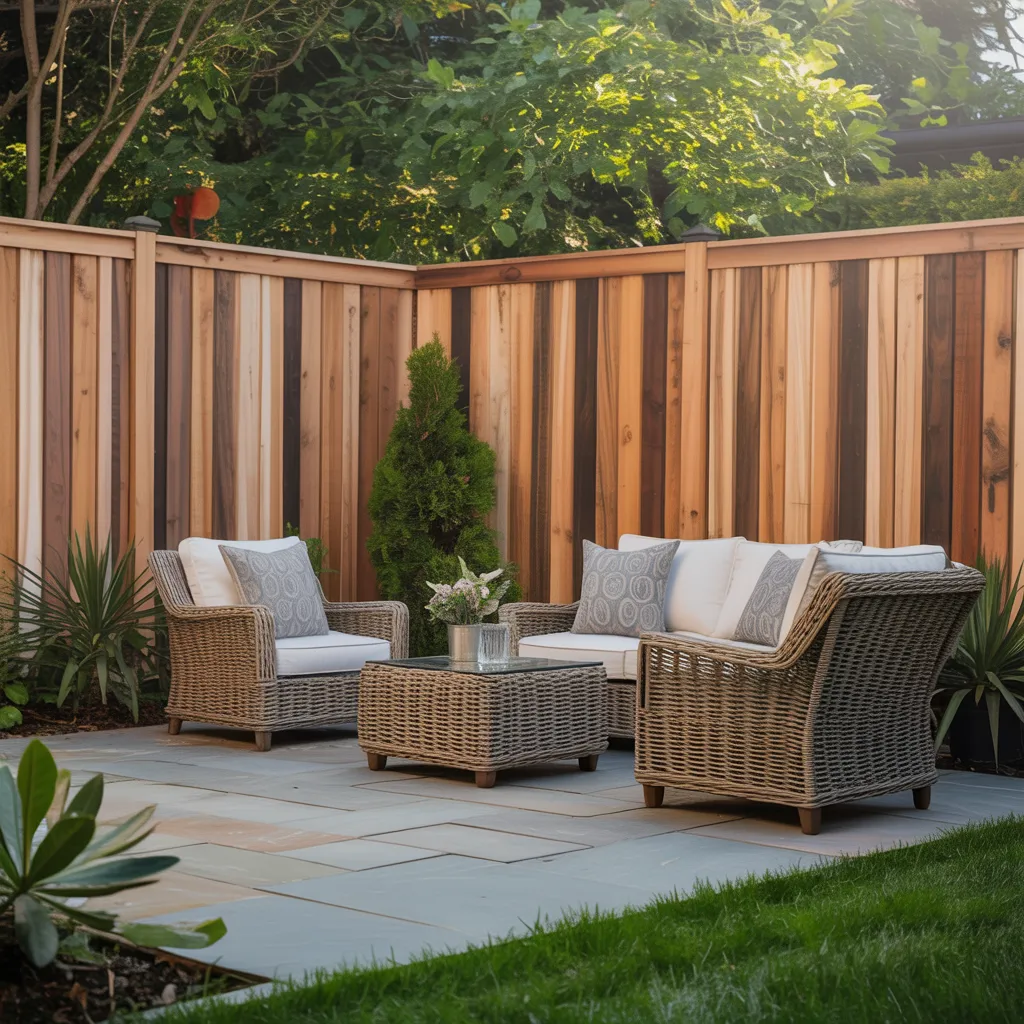
Why Custom Fencing Is Vital for Your Property
When thinking about property enhancements, most homeowners discover that custom fences are not merely an aesthetic choice but an essential investment. Custom fences offer numerous advantages that reach further than visual appeal. They enhance security by establishing a solid barrier that prevents unwanted visitors and keeps children and pets safe. Additionally, these fences ensure privacy, allowing homeowners to enjoy their outdoor spaces away from unwanted attention.
Additionally, customized fences can establish the boundaries of a property, preventing disputes with neighbors and ensuring compliance with local regulations. They also contribute to the total value of the property, increasing its attractiveness to prospective buyers.
In terms of functionality, custom fences may be built to meet individual requirements, such as gates for easy access or additions that complement landscape design. Ultimately, investing in a custom fence stands as a sound decision that achieves various objectives, enhancing both the overall utility of the property and the property's visual charm.
Popular Fencing Materials Compared: Wood, Vinyl, and Metal
When exploring fencing materials, metal, wood, and vinyl each present notable pros and cons. Cost comparisons show notable distinctions in initial expenses and ongoing maintenance costs. Recognizing these elements can help property owners reach well-informed choices aligned with their individual requirements.
Pros And Cons
Several fencing material options, including wood, vinyl, and metal, all offer notable strengths and weaknesses that can influence the preferences of a homeowner. Wood is frequently chosen for its natural aesthetic and versatility but necessitates routine care to guard against decomposition and insects. Vinyl, by comparison, is minimal in upkeep and durable against weathering and insects, establishing it as a dependable lasting investment; however, it might not capture the classic charm of wood. Metal barriers, such as aluminum or wrought iron, provides strong security and longevity but tends to require a larger investment and could demand intermittent care to resist oxidation. Each material presents unique characteristics, permitting homeowners to consider their individual priorities and tastes when determining the best fencing alternative.
Cost Comparisons
As homeowners commonly emphasize appearance and practicality when choosing fencing options, pricing remains an essential consideration when making their final decision. Wood fencing typically presents a lower initial investment but requires ongoing maintenance, potentially driving up total expenditures. Conversely, vinyl fencing, despite its higher initial cost, provide long-lasting performance and low maintenance, making them an economical option in the long run. Metal fence varieties, including aluminum and steel, generally demands a more substantial initial expense yet is well known for its durability and ability to withstand weather conditions, consequently lowering anticipated maintenance costs. At the conclusion of the decision process, the total cost of ownership—factoring installation, maintenance, and lifespan—should guide homeowners when determining the ideal fence material for their residential or commercial properties.
Selecting the Best Fence Design for Your Yard
Selecting the ideal fence design for a yard can significantly enhance both the aesthetics and functionality of a home. Homeowners and property managers must consider several elements when choosing a design, including the primary function of the fence, regional guidelines, and the architectural style of the building. Fences designed for privacy, for instance, are perfect for creating private outdoor environments, while picket fences often boost the property's appearance and deliver a charming aesthetic.
The selection of materials also plays an important role; wood delivers a timeless aesthetic, while vinyl or metal can provide durability and low maintenance. Furthermore, colors and designs ought to harmonize with the surrounding environment and existing structures. Ultimately, the right fence design not only defines boundaries but also contributes to the overall character of the property, making deliberate choices crucial for accomplishing the desired results.
Reasons to Choose Professional Fence Installation
Going with expert fence installation guarantees that the project is carried out with skill and precision. Expert installers possess the necessary skills and experience to manage the complexities of diverse fencing materials and configurations. They understand local building codes and zoning regulations, securing compliance and eliminating potential regulatory concerns.
Furthermore, employing professionals commonly produces a faster installation process, as they have access to dedicated tools and expertise. Such proficiency not only cuts down on time but also reduces interference to the client's daily schedule. Furthermore, skilled technicians can deliver expert advice and tailored solutions customized for the particular specifications of the residence, elevating the quality of the outcome.
Finally,investing in professional services frequently includes service warranties, offering confidence concerning the lasting quality and durability of the fence. In summary, choosing professional fencing services is a prudent investment for both residential and commercial properties, delivering a superior outcome.
How Does Custom Fencing Enhance Security?
Custom fences serve a vital purpose in strengthening security at residential and commercial properties. By establishing a physical barrier, it deters trespassers and unauthorized access. Custom fence height, material selection, and design can all be adapted to satisfy specific security demands, making it challenging for intruders to scale or breach.
Additionally, many bespoke fencing options can be integrated with cutting-edge security elements, such as entryways featuring locks, surveillance cameras, or motion sensors, offering an additional layer of defense. The appearance of a expertly crafted fence can further serve as a visual deterrent, rendering properties less attractive prospects for illegal activities.
Additionally, custom fencing is able to be engineered to limit visibility onto the premises, reducing the knowledge that prospective intruders could acquire. Overall, choosing custom fencing considerably improves the security stance of any property, ensuring peace of mind for owners and occupants alike.
Improving Curb Appeal With Custom Fencing
A professionally installed fence can markedly elevate the overall aesthetic appeal of a property, quickly refreshing its exterior. Tailored fencing choices offer a diverse array of options, hues, and configurations that can accentuate the design elements of a house or establishment. No matter if you select a conventional picket enclosure, a polished modern aesthetic, or a rustic wooden barrier, the perfect option can improve the entire appearance.
Moreover, custom fences can be adapted to fit unique landscapes, creating a perfect fit with outdoor spaces and gardens. By incorporating aesthetic details, such as decorative lattice or post caps, property owners can additionally customize their fencing, making it a statement piece.
The aesthetic appeal of a custom fence goes beyond drawing attention and reflects the owner's style and attention to detail, ultimately creating a warm and appealing atmosphere for neighbors and visitors alike.
Budgeting for Your Custom Fence Project
Budgeting for a custom fence project demands thoughtful evaluation of upfront costs and possible unforeseen charges. Setting a realistic budget is essential to avoid financial strain, because unanticipated expenses can surface during the fencing project. Recognizing these elements enables homeowners to make educated decisions and accomplish their fencing objectives while staying within budget.
Developing a Realistic Budget
Setting a realistic budget is essential for those planning a fencing project. Homeowners and business owners alike must first assess their needs and preferences, including the fence materials, overall design, and dimensions. Investigating regional costs for both materials and labor allows for an accurate starting budget. Furthermore, it is important to consider possible price fluctuations influenced by factors like location and installation complexity. Allocating a reserve fund for unforeseen costs can offer valuable financial security. By carefully examining each of these elements, homeowners can build a detailed budget that matches their vision without exceeding their financial limits, resulting in a smoother and more successful fence installation.
Hidden Costs to Consider
What unexpected expenses might arise during a custom fence installation project? Homeowners ought to be aware of several potential additional costs. Initially, site preparation could demand additional grading or land clearing, especially on uneven ground. Licensing fees can also take homeowners by surprise, as local ordinances commonly require permits for fence projects. Furthermore, if the current landscape contains obstacles such as tree roots or rocks, removal expenses can rise rapidly. Beyond that, property owners may encounter unforeseen labor expenses if the project experiences delays or setbacks. Once installation is complete, ongoing maintenance costs, such as refinishing or repairs, should be accounted for in the overall budget. By considering these hidden costs, individuals can create a more accurate financial plan for their custom fence project.
Upkeep Tips for Long-Lasting Custom Fences
Even though personalized fences can boost the visual appeal and safety of a property, consistent care is necessary to extend their lifespan. Regular inspections are important; property owners should look for indicators of deterioration, like fractures or rotting, most notably in timber fences. Cleaning the fence periodically helps remove dirt and debris that can cause deterioration. In the case of wood fencing, applying a protective coating or sealant every few years helps shield against water infiltration and ultraviolet damage.
Iron fences, in contrast, must be inspected for rust and oxidation. Applying an anti-rust paint can greatly extend their lifespan. Moreover, confirming that vegetation does not encroach on the fence can eliminate moisture buildup and potential damage. To conclude, quick resolution of any defects can mitigate larger problems down the line. By implementing these care recommendations, homeowners can rest assured their tailored fences continue to be both operational and attractive for many years ahead.
Frequently Asked Questions
How Long Does the Custom Fence Installation Process Typically Take?
The process of custom fence installation typically takes 1 to 3 days, depending on factors such as the overall size of the property, the materials selected, and current weather conditions. Schedules may change due to specific project needs and complexities.
Can a Custom Fence Be Installed During the Winter Season?
Absolutely, installing a tailored fence during cold weather months is feasible. Nevertheless, the process may experience challenges as a result of frost-hardened soil and weather conditions, potentially extending the duration of the installation and calling for specific tools for best results.
What Permits Are Required for Custom Fence Installation?
In most cases, a municipal building permit is required for installing a custom fence, in addition to possible zoning permits. Residents ought to contact their municipality for detailed guidelines, making sure they meet height, location, and design requirements before beginning the project.
What Warranty Options Are Available for Custom Fences?
Numerous companies provide warranty packages for custom fences, generally including workmanship and materials. Terms and duration differ, so it is recommended that take the first step customers inquire about the particular warranty terms before beginning the installation process.
What Should I Look for When Choosing a Fence Contractor for My Project?
To hire a fencing contractor, it is advisable to research local options, examine customer feedback, verify licenses and insurance, obtain thorough price quotes, and assess previous work. Responsiveness and professional conduct during initial interactions also suggest reliability and quality of service.